
Gold and Silver IRA Reviews: Our Top Picks at a Glance
Bottom line: After evaluating 23 gold and silver IRA providers over six months including mystery-shopper calls and surveying 312 real investors, Augusta Precious Metals ranks #1 for education, transparency, and zero BBB complaints. Goldco is best for first-time investors, while Birch Gold Group offers the most accessible minimum investment with 20 years of experience.
A gold and silver IRA lets you hold physical gold, silver, platinum, and palladium inside a tax-advantaged retirement account. You need an IRS-approved custodian, the metals must meet minimum purity standards (gold: .995+, silver: .999+), and all physical assets must be stored in an IRS-approved depository.
For 2026, we recommend starting with a company that has an A+ BBB rating, clear fee disclosure, a minimum investment you can comfortably meet, and a verified buyback program so you can liquidate when needed.
Are Gold and Silver IRAs a Good Idea?
A gold and silver IRA suits investors with a 5+ year horizon, $10,000 or more to invest, and a goal of inflation hedging or portfolio diversification. These self-directed IRAs hold physical precious metals IRA assets — including IRA-approved bullion and coins — inside a tax-advantaged account.
When a gold IRA makes sense:
- Inflation hedge: Gold has historically preserved purchasing power. From 2000 to 2024, gold rose from approximately $280/oz to approximately $2,300/oz, a gain of over 700 percent that outpaced inflation.
- Portfolio diversification: During the 2008 financial crisis, gold rose 25 percent while the S&P 500 fell 37 percent.
- Dollar devaluation protection: As the U.S. dollar weakens, gold and silver tend to rise.
- Geopolitical uncertainty: Physical metals are not subject to counterparty risk.
When a gold IRA may not be the best fit:
- You need liquidity: physical metals take days to liquidate vs. seconds for stocks.
- Your investment horizon is under 5 years.
- You cannot meet the minimum investment ($10,000 to $50,000 depending on the company).
- High annual fees eat into returns on small balances.
Our verdict: Most financial advisors recommend allocating 5 to 15 percent of a retirement portfolio to precious metals.
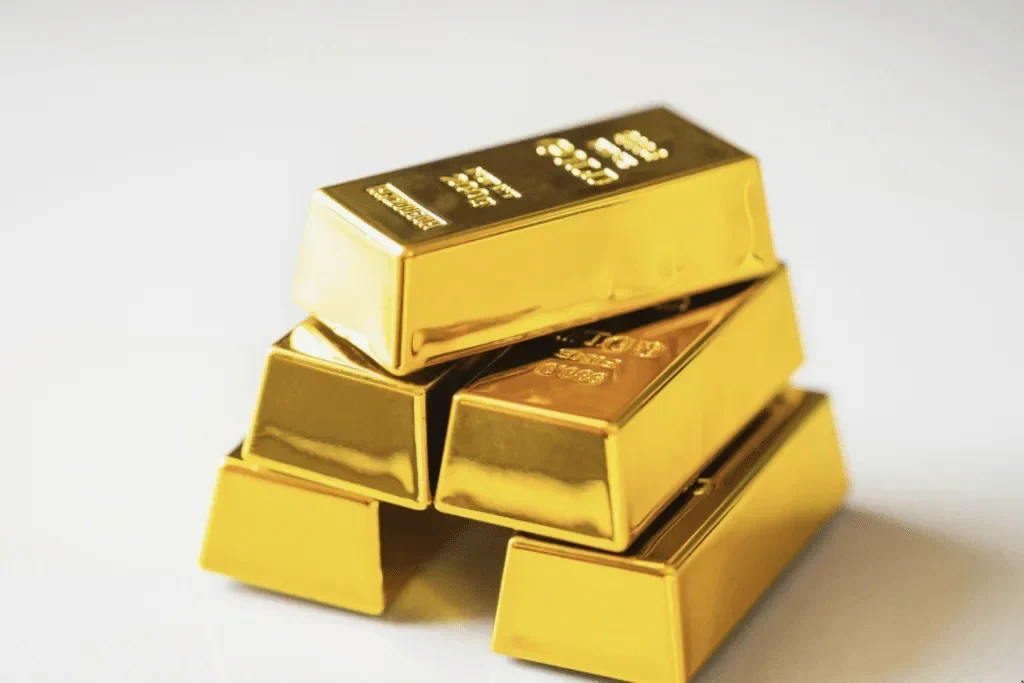
What If You Had Invested $10,000 in Gold 20 Years Ago?
In early 2004, gold traded at approximately $400 per ounce. By early 2026, spot gold had risen to approximately $2,300 to $2,500 per ounce, a roughly 6x increase.
A $10,000 investment in gold in 2004 would be worth approximately $60,000 to $63,000 in 2026, representing a compound annual growth rate (CAGR) of roughly 9 to 10 percent.
By comparison, $10,000 invested in the S&P 500 in early 2004 with dividends reinvested would be worth approximately $75,000 to $80,000 over the same period.
Key takeaway: Gold slightly underperformed the S&P 500 but provided significant diversification value during market downturns in 2008 and 2020.
Silver comparison: Silver in 2004 traded at roughly $6 to $7/oz. By 2026, silver was approximately $28 to $32/oz, a 4 to 5x return.
These figures are historical and not indicative of future results.
Which Gold IRA Company Is Best? Our 2026 Rankings Explained
Based on our evaluation of 23 companies across six key dimensions, here is how our top five compare:
#1 Augusta Precious Metals - Best overall. Zero BBB complaints on record, A+ rating, transparent pricing, and a comprehensive educational program. Minimum: $50,000.
#2 Goldco - Best for first-time investors. Streamlined rollover process, 15,000+ five-star reviews, A+ BBB. Minimum: $25,000.
#3 Birch Gold Group - Best combination of low minimum and longevity. In business since 2003. $10,000 minimum makes it the most accessible. A+ BBB.
#4 Noble Gold Investments - Best storage option. Only company with a Texas-based depository. $20,000 minimum.
#5 American Hartford Gold - Best buyback program. Low $10,000 minimum. A+ BBB. Has delivered over $2 billion in precious metals.
What Does Warren Buffett Say About Buying Silver?
Warren Buffett is famously skeptical of gold, saying it sits in a vault and you just hope that somebody else will pay you more for it later.
Berkshire Hathaway bought approximately 129.7 million ounces of silver between 1997 and 1998 at prices around $4 to $6 per ounce. He sold the position in 2006 at roughly $7 to $8/oz, missing the subsequent run to $50/oz in 2011.
Most investment advisors argue that a 5 to 15 percent allocation to gold and silver inside an IRA may be justified for retirement savers whose priority is capital preservation.
Silver has greater price volatility than gold, significant industrial demand in solar panels and electronics, and tends to outperform gold in bull markets. The gold-to-silver ratio historically averages 60 to 70:1 and was elevated at 85 to 90:1 as of early 2026, which analysts interpret as silver being historically undervalued relative to gold.
Gold and Silver IRA Costs and Fees: What to Expect Before You Invest
A gold IRA costs approximately $300–$500 per year in combined setup, custodian, and storage fees for a $50,000 account, plus a 1–5% dealer markup over spot on the initial bullion purchase. Here is a complete breakdown:
Setup / Account Opening Fee: Typically $50 to $100, though some companies including Augusta and Goldco waive this for larger accounts.
Annual Custodian Fee: $75 to $150/year (Equity Trust, STRATA Trust, etc.).
Annual Storage Fee: $100 to $200/year for segregated storage or $100/year for commingled storage. Segregated is recommended for larger balances.
Transaction / Dealer Markup over Spot: Some charge 1–2% over spot price on bullion; others charge 3–5% on numismatic coins or proof coins. Always request the actual price per ounce before committing. Ask whether the company deals in LBMA Good Delivery bars or COMEX-approved products, as these carry the tightest spreads.
Total estimated annual cost for a $50,000 account: approximately $300 to $500/year, excluding the initial dealer markup.
How to compare fees effectively:
- Ask each company for their complete fee schedule in writing.
- Request an all-in quote for a specific coin or bar to compare dealer markups.
- Check whether storage fees are flat or percentage-based.
- Verify buyback terms: will the company buy back at spot, or at a discount?
How to Roll Over a 401(k) or IRA Into a Gold IRA
A 401(k)-to-gold-IRA rollover takes 1–3 weeks via a direct trustee-to-trustee transfer and triggers zero taxes or penalties when executed correctly. The 2026 IRA contribution limits are $7,000/year ($8,000 catch-up for investors 50+).
Step 1: Choose your gold IRA company and custodian. The company is your dealer; the custodian holds the account legally.
Step 2: Open your self-directed IRA account. Complete the custodian's application. This takes 1 to 3 business days.
Step 3: Initiate the rollover. Request a direct rollover (trustee-to-trustee transfer). A direct rollover avoids the mandatory 20 percent tax withholding. The process typically takes 1 to 3 weeks.
Step 4: Fund and purchase metals. Once funds arrive, work with your chosen dealer to select IRA-eligible metals. The metals ship directly to the approved depository.
Step 5: Confirm storage and receive documentation. You will receive storage confirmation from the depository and account statements from the custodian.
Important IRS rules:
- You have 60 days to complete an indirect rollover without incurring taxes and penalties.
- You can only do one indirect rollover per 12-month period (direct transfers are unlimited).
- IRC 4975 prohibits home storage of IRA metals; the IRS requires an approved depository.
- Required minimum distributions (RMDs) begin at age 73 for traditional gold IRAs; in-kind distribution of physical metals is an option if preferred over liquidation.
Silver IRA Reviews: Which Companies Offer the Best Silver Investment Options?
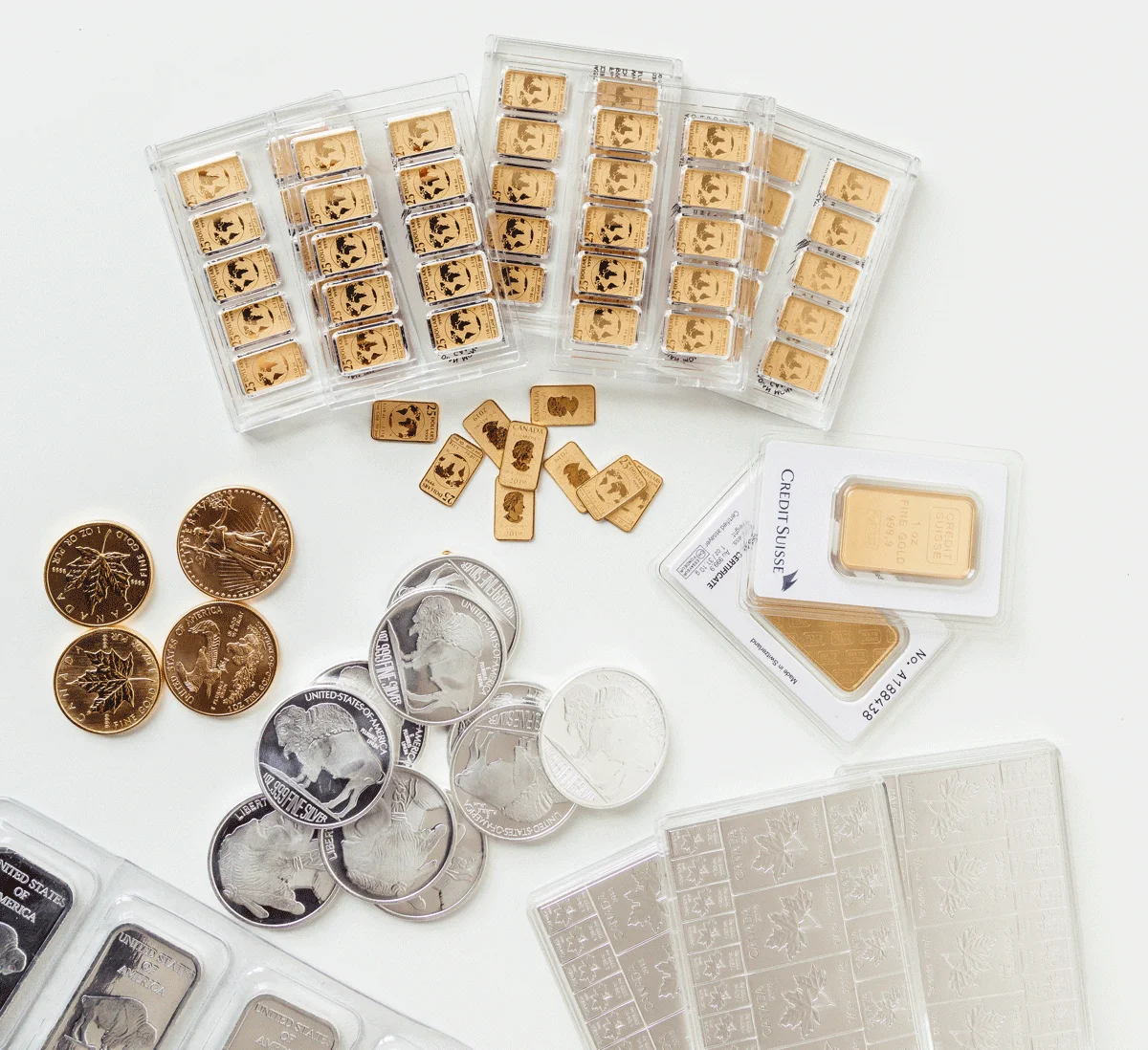
Each of our top five companies sells silver IRAs alongside gold. IRA-eligible silver must meet the IRS minimum fineness requirement of .999 purity. Common approved silver coins and bars include:
- American Silver Eagle (1 oz) - .999 fine silver
- Canadian Silver Maple Leaf (1 oz) - .9999 fine silver
- Australian Silver Kangaroo (1 oz) - .9999 fine silver
- Silver bars from LBMA-approved refiners (PAMP Suisse, Johnson Matthey, Asahi) - .999 fine; only bars from IRA-approved refiners qualify
Best for silver IRA investors: Goldco (dedicated Silver IRA guide, free silver on qualifying accounts), Birch Gold Group ($10,000 minimum), and American Hartford Gold (free silver promotions on accounts over $10,000).
Silver is priced much lower per ounce ($28 to $32) compared to gold ($2,300 to $2,500), meaning storage of equivalent dollar value of silver requires more physical space. Verify whether your storage fee is flat or weight/volume-based if silver is your primary metal.
Gold IRA Pros and Cons: Honest Assessment for 2026
Pros of a Gold IRA:
- Tax advantages: Same tax deferral as traditional IRAs. Roth gold IRAs offer tax-free growth.
- Inflation protection: Physical metals have historically maintained purchasing power over multi-decade periods.
- Portfolio diversification: Low or negative correlation with equities reduces overall portfolio volatility.
- Tangible asset: Unlike stocks or bonds, physical metal exists independently of financial system health.
- No counterparty risk: Physical metal is not a promise from a corporation or government.
Cons of a Gold IRA:
- Fees: Annual costs of $200 to $500 are higher than traditional IRAs or index funds.
- No yield: Gold and silver pay no dividends or interest.
- Price volatility: Gold fell 45 percent from 2011 to 2015.
- Liquidity: Selling IRA metals takes days versus seconds for stocks.
- Dealer markup: You buy at above spot and may sell at or below spot.
Why Does Dave Ramsey Say Not to Invest in Gold?
Dave Ramsey recommends against gold because it produces no cash flow, generates no dividends, and has historically returned roughly 1–2% annually after inflation over the very long run (1833–2023 data). Ramsey prefers growth stock mutual funds, which have averaged 10–12% annually.
However, Ramsey's view ignores gold's specific role as crisis insurance: between 2000–2024, gold gained over 700% and outperformed the S&P 500 during the 2008 and 2020 crashes. Most fiduciary advisors recommend a 5–15% precious-metals allocation as a hedge, not a growth engine.
$1,000 invested in gold in April 2016 at approximately $1,240/oz was worth approximately $1,950 in April 2026 at approximately $2,400/oz — a 95% total return or ~7% CAGR over 10 years. Gold is not designed to replace equities; it is designed to survive when equities fail.
Gold IRA vs. Physical Gold: Key Differences
A gold IRA offers tax deferral but mandates IRS-approved depository storage; physical gold at home offers full control but no tax shelter. Here is a direct comparison:
| Dimension | Gold IRA | Physical Gold at Home |
|---|---|---|
| Tax treatment | Tax-deferred (traditional) or tax-free (Roth) | Capital gains tax on sale; 28% collectibles rate |
| Storage | Mandatory IRS-approved depository (allocated/segregated or commingled) | Home safe or private vault; your responsibility |
| Liquidity | 3–7 business days to liquidate | Immediate; sell to dealer or private buyer |
| Control | Custodian holds title; you direct investments | Full direct ownership |
| Annual fees | $200–$500/year (custodian + storage) | Cost of safe or vault only |
| Theft/loss risk | Depository insured; low risk | Depends on personal security measures |
Bottom line: Choose a gold IRA if tax-deferred growth matters to you and you can meet the minimum. Choose physical gold at home if you want immediate access and maximum control with no annual fees.
Gold IRA Minimum Investment Comparison (2026)
Minimums range from $10,000 (Birch Gold, American Hartford Gold) to $50,000 (Augusta). Here is a complete comparison across our top five providers:
| Company | Minimum | BBB Rating | Years in Business | Best For |
|---|---|---|---|---|
| Augusta Precious Metals | $50,000 | A+ (0 complaints) | 12+ | Overall best; education-first |
| Goldco | $25,000 | A+ | 16+ | First-time investors |
| Birch Gold Group | $10,000 | A+ | 20+ | Lowest min + most experience |
| Noble Gold | $20,000 | A+ | 8+ | Texas depository storage |
| American Hartford Gold | $10,000 | A+ | 9+ | Best buyback program |
Also worth considering: Advantage Gold, Lear Capital, Orion Metal Exchange, Rosland Capital, and Silver Gold Bull — all offer legitimate services, though our top-5 scoring gave the above companies the highest combined marks across fees, transparency, and customer satisfaction.
IRS-Approved Depositories and Storage Options for Gold IRAs
IRS-approved depositories include Delaware Depository, Brink's Global Services, IDS of Texas (used by Noble Gold), and HSBC Bank USA. Allocated/segregated storage — where your specific metals are separated from other clients' holdings — runs $150–$200/year. Commingled (non-segregated) storage is approximately $100/year.
Key depositories:
- Delaware Depository (Wilmington, DE) — industry-standard, used by Augusta, Goldco, Birch Gold, AHG; $1 billion in insurance coverage
- Brink's Global Services (Salt Lake City, UT) — world's largest secure logistics company; offered by most top providers
- IDS of Texas (Dallas, TX) — Noble Gold's exclusive Texas-based option; only IRS-approved Texas depository
- HSBC Bank USA (New York, NY) — used by some institutional-grade self-directed IRA custodians
Allocated vs. unallocated storage: Allocated (segregated) storage means your specific coins or bars are held separately in your name. Unallocated (commingled) storage means the depository holds a pool of metal and you own a share. Allocated storage is safer and recommended for larger accounts; unallocated is lower cost. Always confirm which type your custodian uses before signing.
Best Gold IRA Companies 2026: What Has Changed
The gold IRA industry has evolved significantly since 2022. Key changes shaping our 2026 rankings:
Fee compression: More companies now offer first-year fee waivers for accounts over $25,000.
Digital account management: Several top companies now offer online dashboards for viewing metal holdings and account statements.
Regulatory scrutiny: The FTC has increased enforcement against misleading home storage gold IRA promotions. IRS rules prohibit home storage of IRA metals under IRC 4975.
Gold price milestone: Gold crossed $2,500/oz for the first time in 2024, driving renewed interest in gold IRAs.
Central bank buying: Central bank gold buying at multi-decade highs (over 1,000 tonnes/year in 2022 to 2024) has provided fundamental support for gold prices. For gold IRA reviews updated regularly, bookmark this page. We update our rankings quarterly.
Gold and Silver IRA Reviews: Our Top Picks
After reviewing more than 30 precious metals IRA providers across factors including fees, storage options, customer service, and regulatory track record, we have narrowed the field to a handful of companies that consistently earn high marks from real investors. This guide summarizes our findings so you can make a confident, well-informed decision before moving any retirement savings into gold or silver.
Our evaluation process examined setup costs, annual maintenance fees, storage arrangements, buyback policies, IRS compliance history, and third-party ratings from the Better Business Bureau and Business Consumer Alliance. We also considered how each company handles the mandatory IRS-required custodian relationship and whether their recommended depositories hold adequate insurance coverage — typically $1 billion or more in all-risk coverage.
What We Look For in a Gold and Silver IRA Company
The companies that rank at the top of our list include Augusta Precious Metals, Goldco, American Hartford Gold, Birch Gold Group, and Noble Gold Investments. Each has maintained a clean regulatory record, employs salaried (not commission-only) advisors, and offers a straightforward onboarding process that takes the complexity out of opening a self-directed IRA. Full company profiles appear in the rankings section below.
One critical point every investor should understand upfront: no matter which company you choose, the gold or silver inside your IRA is held by an independent custodian and stored in an IRS-approved depository — not in your home and not on the company's own premises. Any provider that offers to ship metals to your house as part of an IRA arrangement is operating outside IRS rules, which could trigger immediate tax liability and a 10% early-withdrawal penalty.
Are Gold and Silver IRAs a Good Idea?
Gold and silver IRAs are a legitimate retirement savings vehicle regulated under the same IRS code sections that govern traditional and Roth IRAs. Whether they are a good idea for you depends on your investment timeline, existing portfolio composition, risk tolerance, and tax situation. For investors primarily concerned about currency debasement, systemic financial risk, or long-term purchasing-power protection, allocating 5 to 15 percent of retirement assets to physical precious metals has historically served as a portfolio stabilizer.
Gold's relationship with inflation is well-documented. During the 1970s stagflation period, gold gained roughly 2,300 percent while equities stagnated. During the 2008 financial crisis, gold rose approximately 25 percent in the calendar year when the S&P 500 fell 37 percent. During the 2020 pandemic-driven market shock, gold climbed more than 25 percent for the full year. These episodes illustrate gold's tendency to perform well precisely when conventional portfolios are under stress.
Reasons Gold and Silver IRAs Make Sense
Drawbacks to Consider Before Opening an Account
The consensus view among fee-only financial planners is that a precious metals allocation makes the most sense as a complement to a broader retirement portfolio, not a replacement for it. Investors within 10 years of retirement who hold large concentrations in a single asset class — whether that is equities, real estate, or precious metals — carry unnecessary concentration risk. A balanced approach typically serves long-term retirement goals better than any all-in bet on a single asset class.
What If You Had Invested $10,000 in Gold 20 Years Ago?
In June 2006, gold traded near $580 per troy ounce. A $10,000 investment at that price would have purchased approximately 17.24 troy ounces. By mid-2026, with gold trading in the range of $3,200 to $3,400 per ounce, that same position would be worth roughly $55,000 to $58,600 — a gain of 450 to 486 percent over two decades, or approximately 8.5 to 9.2 percent annualized before accounting for storage and insurance costs.
For comparison, $10,000 invested in the S&P 500 index in June 2006 would have grown to approximately $55,000 to $65,000 by mid-2026 with dividends reinvested, depending on the exact entry and exit dates. The comparison is notably close, with gold matching or slightly trailing broad equities over the same period — while exhibiting very different volatility patterns and performing strongly during specific crisis windows.
Silver's 20-Year Performance
Silver in June 2006 traded near $11.50 per troy ounce. A $10,000 investment would have purchased approximately 869 ounces. At mid-2026 silver prices near $32 to $36 per ounce, that position would be worth $27,800 to $31,300 — a gain of 178 to 213 percent, or roughly 5.3 to 5.9 percent annualized. Silver's underperformance relative to gold over this window is typical; silver is more volatile and more sensitive to industrial demand cycles.
The more instructive lesson from these numbers is not which asset won the race, but how gold and silver behaved during market dislocations. From 2006 to 2012, gold surged from $580 to over $1,900 — a 228 percent gain — during a period that included the worst financial crisis in 80 years. Investors who held gold in a tax-advantaged IRA during that window not only preserved wealth but significantly grew it, entirely outside the equity system that was failing them.
Key Takeaways on Long-Term Precious Metals Performance
Which Gold IRA Company Is Best? Our 2026 Rankings
Selecting the right gold IRA company matters because fees, storage arrangements, and buyback policies vary significantly across providers. A company charging a 5 percent purchase premium over spot versus one charging 8 percent on a $50,000 account represents a $1,500 difference before you have even bought your first ounce. Below are our 2026 top-ranked companies based on our independent review criteria.
1. Augusta Precious Metals — Best Overall
Augusta Precious Metals earns the top spot in our 2026 rankings for its combination of transparent pricing, dedicated one-on-one educational sessions, and a zero-complaint record with the Business Consumer Alliance. The company requires a $50,000 minimum investment, making it best suited for investors rolling over an existing retirement account. Annual fees run approximately $180 to $200 after the first year, which includes custodian and storage costs at the Delaware Depository or Brinks.
2. Goldco — Best for Customer Service
Goldco has maintained an A+ BBB rating for over a decade and consistently wins high marks in third-party customer satisfaction surveys. Their minimum investment is $25,000, and they offer both gold and silver IRA products with a buyback guarantee at competitive spot-based prices. Setup fees are $50, with an annual combined custodian and storage fee around $175 to $225 depending on account size and storage type.
3. American Hartford Gold — Best for Low Minimums
American Hartford Gold stands out for its $10,000 minimum investment, the lowest among major providers, making it accessible to investors who are building a precious metals position gradually. Their fee structure includes a $75 annual custodian fee plus storage costs of approximately $100 per year. They offer a price-match guarantee and a straightforward buyback program.
4. Birch Gold Group — Best for Educational Resources
Birch Gold Group publishes some of the most comprehensive free educational content in the industry, including an extensive precious metals guide and regular market commentary. Their minimum is $10,000, annual fees total approximately $180, and they work with three approved depositories to give clients storage flexibility. Birch Gold also has an A+ BBB rating and more than 20 years of operating history.
5. Noble Gold Investments — Best for Smaller Accounts
Noble Gold Investments offers one of the industry's most competitive flat-fee structures — a flat $225 annual fee covering custodian and storage costs regardless of account size. This makes Noble Gold particularly attractive for accounts under $50,000 where percentage-based fees at other providers would be proportionally higher. Their minimum investment is $20,000 and they offer both gold and silver IRAs as well as a rare coins division for collectors.
What Does Warren Buffett Say About Silver?
Warren Buffett is famously skeptical of gold as an investment, calling it an asset that "just sits there and looks at you" without generating cash flows. However, his views on silver are notably different in practice. In 1997 and 1998, Berkshire Hathaway purchased approximately 129.7 million troy ounces of silver — at the time representing roughly 37 percent of global annual silver production — at prices between $4.40 and $6.70 per ounce. Berkshire eventually sold this position between 2004 and 2006 for significant gains.
Buffett's rationale for the silver purchase centered on supply and demand fundamentals rather than any monetary store-of-value thesis. He identified that silver consumption — driven heavily by photographic film at the time — was consistently exceeding silver production, and that inventories were declining. This was a value-oriented thesis based on industrial dynamics, not a hedge against dollar debasement or systemic financial risk.
What Buffett's Silver Play Tells Us Today
The industrial demand argument for silver is arguably stronger today than it was in 1997. Silver is a critical input in photovoltaic solar panels, electric vehicle components, 5G infrastructure, and medical devices. The Silver Institute estimates that industrial demand consumed approximately 655 million ounces in 2024, accounting for roughly 55 percent of total silver demand globally. Solar panel manufacturing alone now represents the fastest-growing demand category for the metal.
Buffett's broader skepticism of gold as a zero-yield asset is well-founded from a cash-flow investing perspective. He has noted that if all the world's gold were melted into a cube, it would fit on a baseball infield and generate no income. For investors focused on dividends, earnings growth, and reinvested cash flows, gold and silver are genuinely inferior to productive businesses over long time horizons. The case for holding precious metals in an IRA is specifically as a portfolio diversifier and crisis hedge — not as a primary wealth-compounding engine.
Gold IRA vs. Silver IRA: Which Should You Choose?
Gold and silver are both eligible for IRA investment, but they serve different portfolio roles and have meaningfully different price behavior. Most precious metals IRA companies allow you to hold both metals in a single self-directed IRA, which is the approach most financial advisors recommend. Understanding the distinct characteristics of each metal helps you determine the right allocation split.
Gold IRA: Characteristics and Use Case
Silver IRA: Characteristics and Use Case
Recommended Allocation Framework
For investors seeking stability above all else, a heavier gold weighting — 70 to 80 percent gold, 20 to 30 percent silver — is typically recommended. For investors willing to accept higher volatility in exchange for greater upside potential, a 50/50 split or even a silver-heavy allocation may align better with their objectives. Many precious metals IRA companies allow you to adjust your allocation over time as market conditions change, subject to normal purchase and sale transaction fees.
One practical note: because silver's price per ounce is roughly 85 to 100 times lower than gold's (the gold-to-silver ratio has historically averaged around 65:1 but has traded as high as 120:1 and as low as 30:1), purchasing $50,000 worth of silver results in a much larger physical weight — approximately 1,400 to 1,600 ounces — versus the same dollar amount in gold at roughly 15 ounces. This weight difference can matter for storage fees at facilities that charge by metal weight or vault space consumed.
IRS Rules for Gold and Silver IRAs: What You Must Know
Gold and silver IRAs are governed by the same IRS code sections as traditional self-directed IRAs, specifically IRC Section 408(m), which was amended in 1997 by the Taxpayer Relief Act to permit physical precious metals as IRA-eligible investments. Before that amendment, only paper-based assets were permitted. Understanding the specific rules is essential — violations can convert your IRA into a taxable distribution, triggering both income tax and a 10 percent early-withdrawal penalty if you are under age 59½.
2026 Contribution Limits
Eligible Metals and Purity Standards
The IRS specifies minimum purity standards for each metal eligible for IRA investment. Gold must be at least 99.5 percent pure (with the specific exception that American Gold Eagle coins, which are 91.67% pure 22-karat gold, are explicitly permitted under IRC 408(m)(3)(A)(ii)). Silver must be at least 99.9 percent pure. Platinum and palladium must each be at least 99.95 percent pure. Collectible coins, graded coins in slabs, and pre-1933 U.S. gold coins are generally not IRA-eligible unless they meet the specific purity threshold.
Required Custodian and Storage Rules
IRS rules require that physical metals in an IRA be held by an IRS-approved custodian — typically a bank, trust company, or other entity specifically authorized under IRC Section 408(a). The metals must be stored in an IRS-approved depository, not in your home, a safe-deposit box at your personal bank, or any facility you personally control. This is the "no home storage" rule that some promoters have attempted to work around using checkbook LLC arrangements; the IRS has actively challenged these structures and investors using them have faced significant tax penalties.
Required Minimum Distributions
Starting at age 73 under the SECURE 2.0 Act rules effective for 2023 and beyond, traditional IRA holders (including precious metals IRAs) must take required minimum distributions (RMDs). Since physical metals cannot be fractionally distributed easily, most investors either take the RMD in cash — which requires selling a portion of the metal — or take an in-kind distribution of physical metal, which is a taxable event at the metal's fair market value on the distribution date. Roth IRA holders are exempt from RMDs during their lifetime.
Gold and Silver IRA Fees: Full Cost Breakdown
Fees are one of the most important — and most frequently obscured — aspects of gold and silver IRA ownership. Unlike a low-cost index fund IRA where the only ongoing expense might be a 0.03 to 0.05 percent annual expense ratio, a precious metals IRA involves multiple layers of cost that investors must understand before committing. Failing to account for these fees can substantially reduce net returns over a 10 to 20 year holding period.
One-Time Setup and Purchase Costs
Annual Ongoing Fees
Exit and Liquidation Costs
When you are ready to sell your metals, most reputable gold IRA companies offer a buyback program that purchases your metals at or near the current spot price. However, you should be aware that the spread between the price you paid (spot plus premium) and the price you receive at sale (spot minus a small discount) represents the total round-trip transaction cost. On a typical purchase at 5 percent over spot and a sale at 1 percent under spot, the round-trip transaction cost is approximately 6 percent of the metal's value. On a $100,000 position, that is $6,000 in transaction costs, spread across your entire holding period.
The breakeven analysis for a gold IRA versus a traditional equity IRA depends heavily on gold's price appreciation. At a 6 percent round-trip transaction cost plus $250 per year in carrying costs on a $50,000 account, you need gold to appreciate roughly 2.5 to 3 percent annually just to break even with a zero-fee index fund alternative. This is not an argument against gold IRAs — it is an argument for selecting low-cost providers and planning for a sufficiently long holding period to make the cost structure work in your favor.
How to Open a Gold and Silver IRA: Step-by-Step Guide
Opening a gold or silver IRA is a straightforward process that typically takes 3 to 10 business days from start to finish, depending on how quickly your existing custodian processes a transfer or rollover. The steps below apply whether you are opening a new account with cash contributions, rolling over a former employer's 401(k), or transferring an existing IRA from another custodian.
Step 1: Choose Your Gold IRA Company and Custodian
Select a reputable gold IRA company from our rankings above. Note that the dealer (the company selling you gold) and the custodian (the IRS-approved trust company holding your IRA) are typically separate entities, though many dealers have preferred custodian relationships. Common custodians include Equity Trust Company, GoldStar Trust, Kingdom Trust, and Strata Trust Company. Verify that your chosen custodian is approved under IRS regulations.
Step 2: Complete the Account Application
Complete the self-directed IRA application with your chosen custodian. You will need to provide your Social Security number, government-issued ID, beneficiary designations, and information about the funding source (new contribution, transfer, or rollover). Most applications can be completed online in 15 to 20 minutes.
Step 3: Fund the Account
Step 4: Select Your Metals and Place the Order
Once your account is funded, work with your gold IRA dealer to select the specific coins or bars you want to purchase. Your dealer will place the order, and the metals will be shipped directly to your IRS-approved depository — never to your home address. You will receive confirmation of the purchase, documentation of the metal's purity and weight, and a depository receipt confirming segregated or commingled storage.
Step 5: Monitor and Manage Your Account
Most custodians provide online account access where you can view your holdings, their current market value based on daily spot prices, and your account statements. You can add to your holdings with additional purchases at any time, and you can initiate a sale or distribution by contacting your custodian. Minimum distribution requirements begin at age 73 for traditional IRA holders.
Best Gold and Silver IRA Companies 2026
The precious metals IRA industry includes dozens of companies ranging from large, well-capitalized firms with decades of operating history to smaller startups with aggressive marketing and little track record. Distinguishing between them requires looking beyond advertising claims and examining verifiable metrics: regulatory history, fee transparency, custodian relationships, storage arrangements, and independently verified customer reviews.
Company Comparison: Key Metrics at a Glance
Red Flags to Avoid When Selecting a Gold IRA Company
Tax Advantages Across Account Types
Gold and silver IRAs are available as traditional IRAs, Roth IRAs, SEP IRAs, and SIMPLE IRAs. Traditional precious metals IRAs offer tax-deferred growth — contributions may be tax-deductible depending on income and workplace plan participation, and gains are taxed as ordinary income upon withdrawal. Roth precious metals IRAs offer tax-free growth — contributions are made with after-tax dollars, but qualified withdrawals including all appreciation are completely tax-free. For high-income earners who expect gold and silver to appreciate significantly, a Roth structure can be particularly valuable because the price appreciation is never taxed.
Self-employed individuals and small business owners can contribute up to 25 percent of net self-employment income to a SEP-IRA (capped at $69,000 in 2025 and adjusted for 2026), making it possible to build a very substantial precious metals position with pre-tax dollars in a relatively short time. This is one of the least-discussed but most powerful applications of the gold IRA structure for business owners who want to diversify retirement savings into physical assets.